Optimal Timing for Wood Fence Staining
Wood fence stainings are most effective when performed under optimal weather conditions. The timing of staining can significantly impact the durability and appearance of the finish. Proper timing ensures the stain penetrates the wood properly and adheres evenly, extending the lifespan of the treatment.
Spring and early fall are generally the best times for staining wood fences due to moderate temperatures and lower humidity levels.
Staining should be done when temperatures are between 50°F and 85°F to ensure proper drying and adhesion.
Avoid staining during rainy periods, high humidity, or extreme heat, as these conditions can affect the stain's effectiveness.
Ensure the fence is dry and free of dirt or debris before applying stain for optimal results.

Spring offers ideal conditions with mild temperatures and low humidity for staining projects.

Summer requires careful timing to avoid high heat and direct sunlight that can affect stain application.

Early fall provides cool, dry weather suitable for staining before winter approaches.
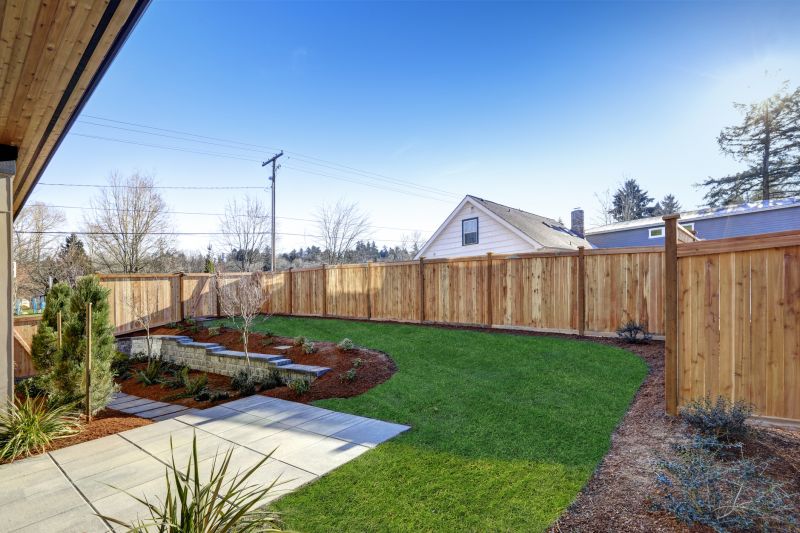
Ways to make Wood Fence Stainings work in tight or awkward layouts.

Popular materials for Wood Fence Stainings and why they hold up over time.
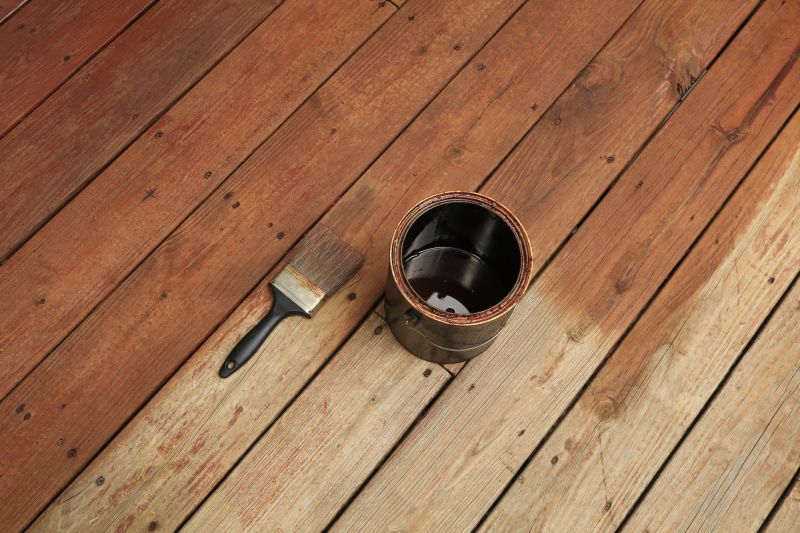
Simple add-ons that improve Wood Fence Stainings without blowing the budget.
| Season | Optimal Conditions |
|---|---|
| Spring | Moderate temperatures, low humidity, dry weather |
| Summer | Warm temperatures, avoid peak heat hours, dry conditions |
| Fall | Cool temperatures, low humidity, no rain |
| Winter | Not recommended due to cold and moisture |
Proper timing for wood fence stainings can enhance the longevity and appearance of the finish. It is essential to monitor weather forecasts and choose days with suitable conditions for application. Consistent maintenance, including timely staining, helps preserve the wood's integrity and aesthetic appeal.

Preparing the fence surface is crucial for effective staining.
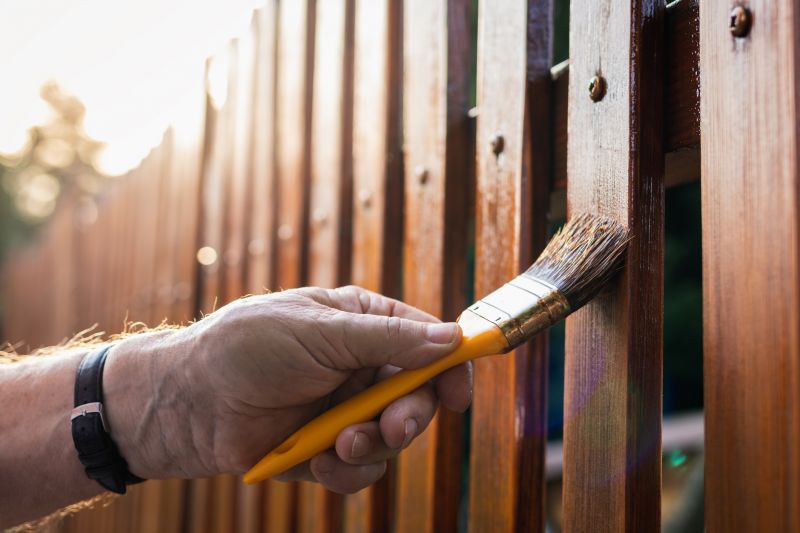
Use proper tools and techniques to ensure even coverage.
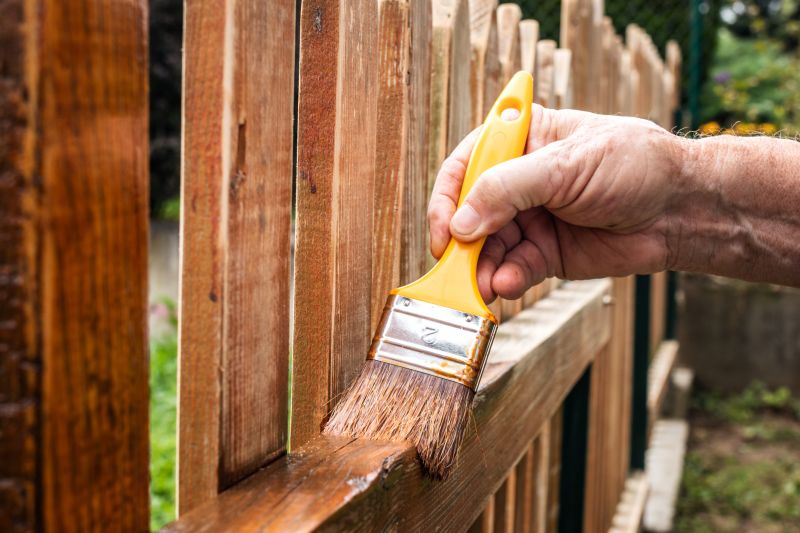
Allow adequate drying time and inspect for uniformity.
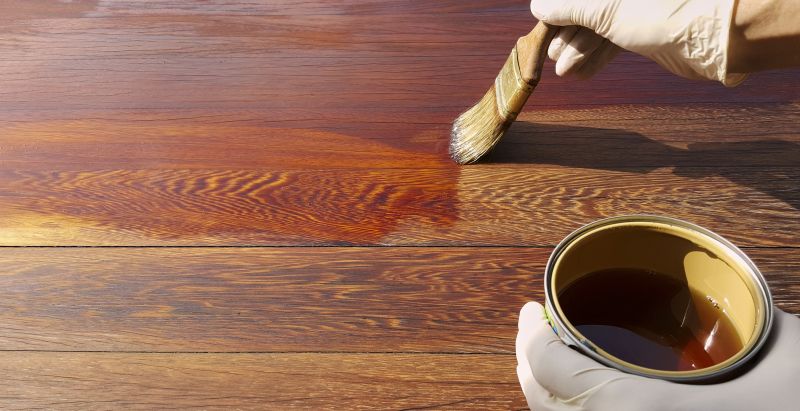
Schedule staining during optimal weather windows each year.

High-end options that actually feel worth it for Wood Fence Stainings.
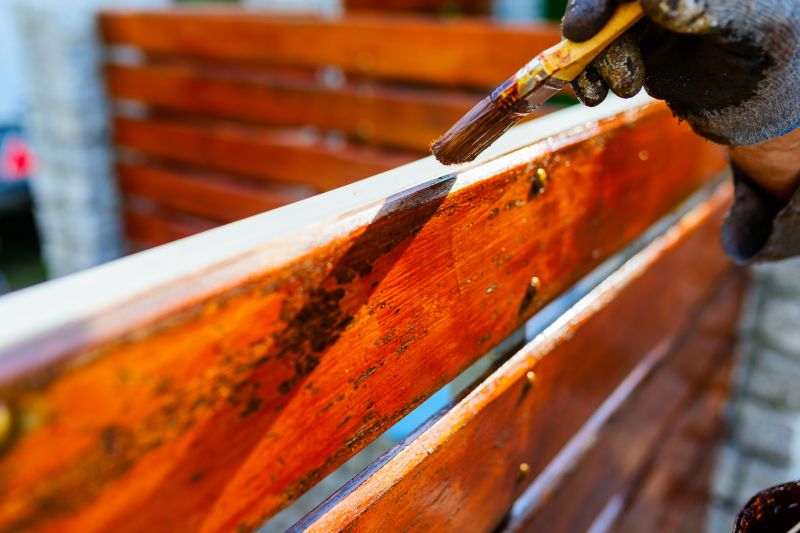
Finishes and colors that play nicely with Wood Fence Stainings.

Little measurements that prevent headaches on Wood Fence Stainings day.
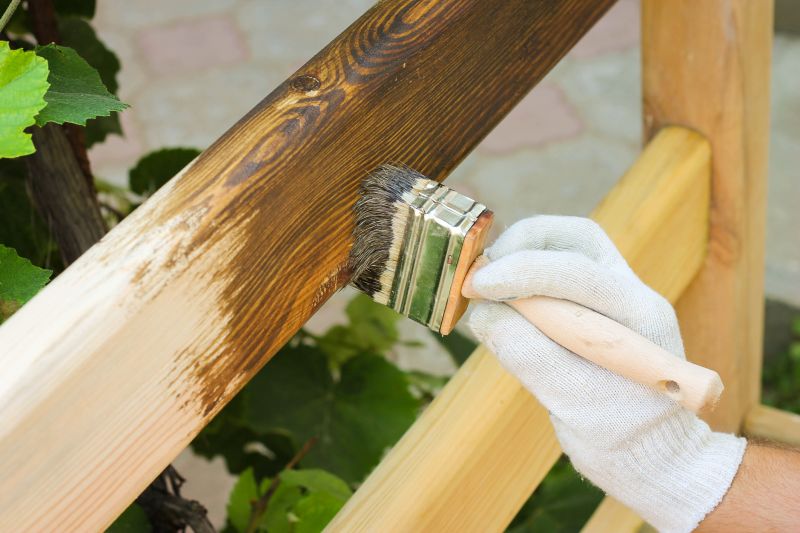
A 60-second routine that keeps Wood Fence Stainings looking new.
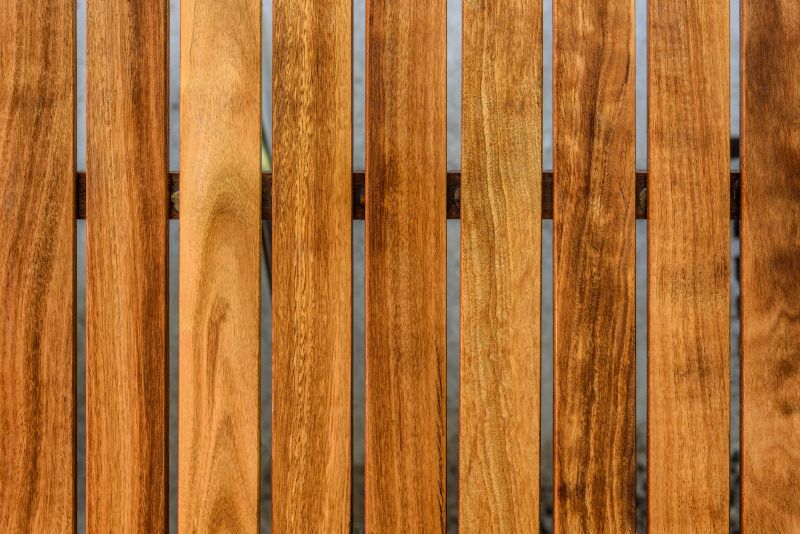
A frequent mistake in Wood Fence Stainings and how to dodge it.
Choosing the right time for wood fence staining is vital for achieving the best results. Properly timed applications protect the wood from weathering and extend the lifespan of the stain, ensuring the fence maintains its appearance and structural integrity over time.